
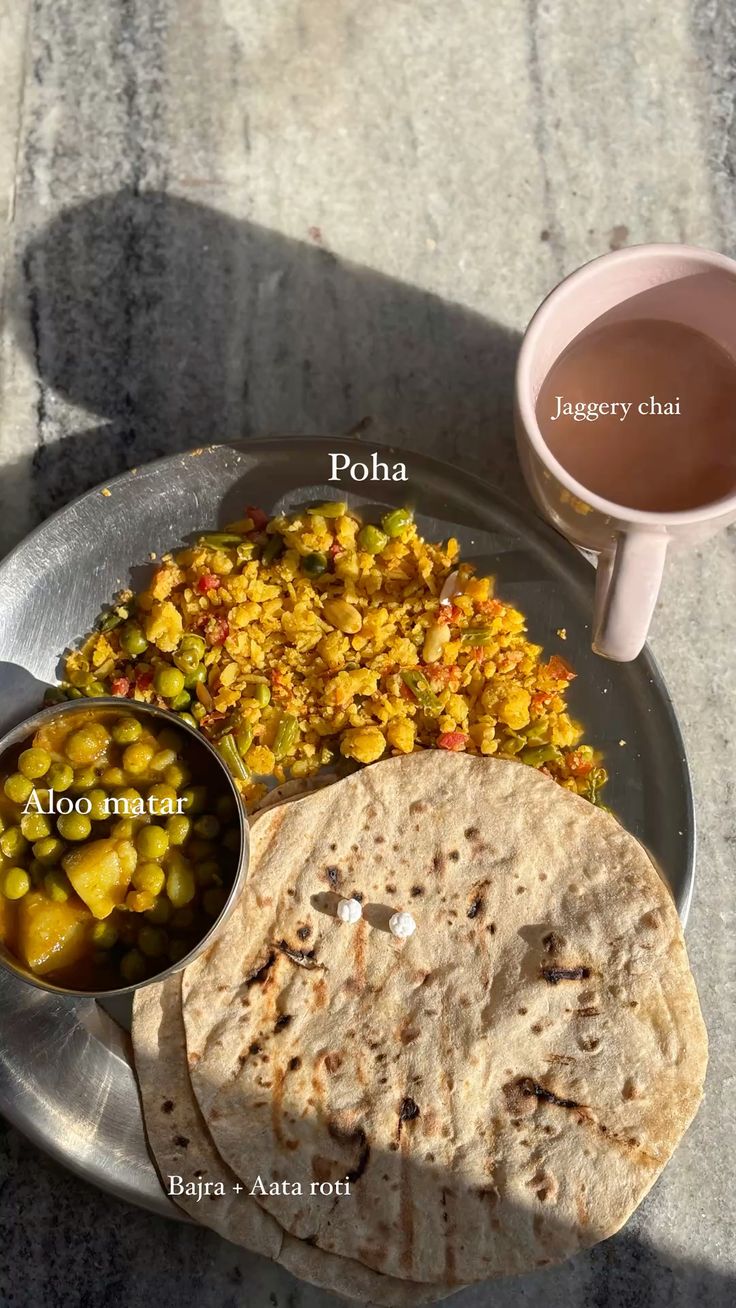
When people hear “balanced meal,” they often picture perfectly measured portions, several vegetables and a fridge full of meal-prep containers.
It does not have to look like that.
A normal meal such as dal, rice, sabzi and curd can already bring together several useful food groups without complicated preparation.
That kind of variety is encouraged in the ICMR–NIN Dietary Guidelines for Indians.
What Makes a Meal Nutrient-Rich?
Instead of focusing on a perfect plate, think about the main parts of the meal.
A useful meal will often include:
- A protein source
- Vegetables or fruit
- A carbohydrate source
- Some fat and flavour
You do not need to measure these precisely. The NHS Eatwell Guide looks at balance across a day or week, not necessarily every plate. Think of these parts as a simple framework.
Where Is the Protein?
Start by asking where the protein is coming from.
Depending on your preferences, that could include:
- Dal
- Rajma
- Chana
- Paneer
- Tofu
- Curd
- Eggs
- Chicken
- Fish
Protein does not need to come from supplements or a huge portion of one food. Including a protein-containing food is one useful way to build the meal.
What About Vegetables and Carbohydrates?
Vegetables do not have to mean a large raw salad.
They can be:
- Sabzi
- Vegetables added to dal
- Frozen vegetables
- Vegetables mixed into eggs
- Vegetables in a sandwich
- Fruit on the side
Carbohydrates such as rice, roti, oats, potatoes, bread and millets can also be part of a balanced meal.
The WHO’s healthy-diet guidance includes whole grains, fruit, vegetables and pulses in a varied diet.
Rather than asking whether carbohydrates are “good” or “bad,” look at what they are being eaten with.
What Does This Look Like in Real Life?
A few simple examples:
- Dal + rice + sabzi + curd
- Paneer bhurji + roti + cucumber or tomato
- Rajma + rice + salad + curd
- Eggs + toast + vegetables
- Chicken or tofu + rice + vegetables
None of these requires elaborate meal prep.
The meal only needs to bring together a few useful components in a way that fits your routine.
What Can You Eat When You Don’t Want to Cook?
This is where simple assembly meals and convenience foods can help.
You might have:
- Curd + fruit + oats + nuts
- Paneer + roti + pre-cut vegetables
- Eggs + bread or roti + fruit
- Leftover rice + eggs, paneer or tofu + frozen vegetables
Frozen vegetables, packaged curd, roasted chana, wholegrain bread and packaged beans can also make meals easier.
For more ideas when time is tight, see how to eat better without meal planning.
A nutrient-rich meal does not need to be complicated. It needs to be realistic enough that you can repeat it.