
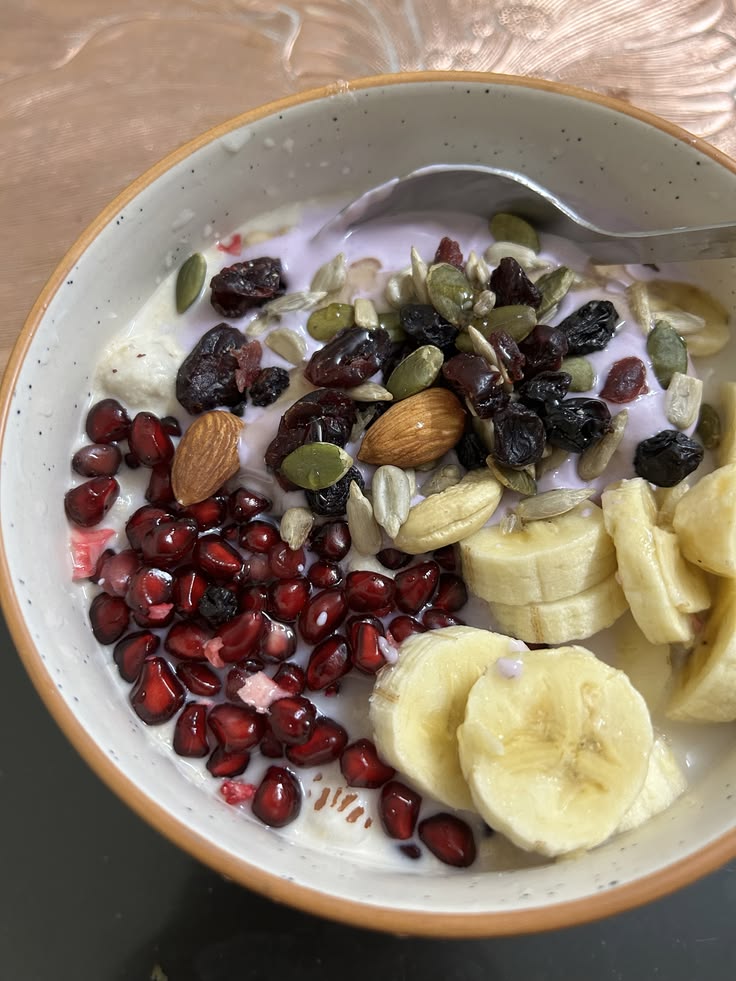
You wake up, get ready, answer a few work messages, join an early meeting and suddenly realise it is almost lunchtime.
The only thing you have had is coffee.
If this happens often, forcing yourself into a complicated breakfast routine may not be realistic. It makes more sense to work with the morning you actually have.
Do You Have to Eat Breakfast?
Not necessarily.
Breakfast is often described as if eating it automatically improves health or causes weight loss, but the evidence is more nuanced.
A systematic review of randomized trials found no evidence that adding breakfast by itself promotes weight loss in adults. The trials were short and had limitations, so this does not mean skipping breakfast is healthier. Some people also prefer eating their first meal later in the morning.
The more useful question is what the rest of your eating pattern looks like. The NHS Eatwell Guide considers food-group balance across a day or week, not just one meal.
What Happens If You Skip It?
Some people feel comfortable delaying their first meal.
For others, the day looks more like this:
- Coffee in the morning
- Another coffee later
- Very strong hunger by lunchtime
- Whatever food is quickest
- Snacks in the afternoon
- A very large dinner late at night
In that situation, the problem is not simply that breakfast was skipped. The problem is that there was no realistic plan for what happened afterwards.
What Can You Eat If You’re Not Very Hungry?
You do not have to force yourself to eat a large breakfast.
Something small may be enough:
- Banana + curd
- Fruit + nuts
- Milk + banana
- Boiled eggs + fruit
- Yoghurt + oats
- Toast + peanut butter
- Small paneer sandwich
Think of it as something useful to carry you through the morning rather than a formal breakfast.
What Can You Take to Work?
Breakfast does not have to happen at home.
Portable options might include:
- Overnight oats
- Yoghurt + fruit
- Egg sandwich
- Paneer sandwich
- Idli + curd
- Poha or upma
- Roti roll with paneer, egg or chicken
The best option is the one you are actually likely to eat.
The ICMR–NIN Dietary Guidelines for Indians encourage variety across food groups; a portable meal can help you work toward that on a busy day.
If you rely on an office cafeteria, it can also help to identify two or three meals you know you can fall back on. For more quick options, see how to eat better without meal planning.
What If Coffee Becomes Breakfast?
Coffee can absolutely be part of your morning.
But coffee alone does not provide the same range of nutrients as a meal.
If several coffees are regularly followed by intense hunger later, try pairing one with something simple such as fruit and yoghurt, eggs, a small sandwich or milk with fruit.
You do not need a perfect breakfast. You need a morning routine that works with your actual schedule.